
A reading of the news
The extra shot was a new decision
A late change to a media shoot put an unsecured worker in a moving car. The injury and sentencing make a precise case for giving every changed plan a new safety decision.
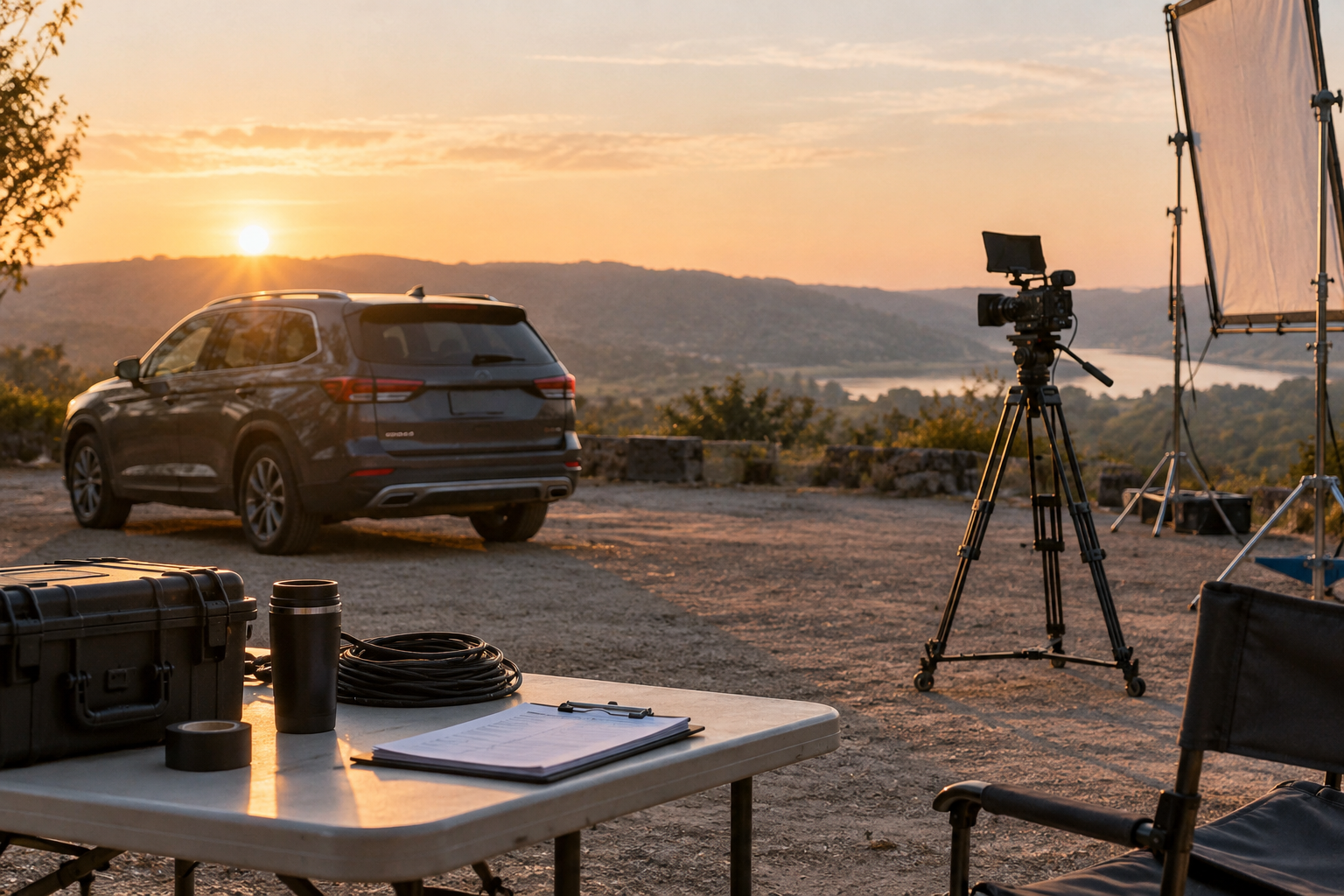
The planned filming was done. A media crew in Devon had captured footage of an electric motorbike with a drone. Then came the request for an additional shot from a moving car. An employee sat in its open rear boot with a camera; the boot liner slipped, and he fell onto the tarmac. He sustained serious head and brain injuries and has not returned to work. These are the facts in the UK Health and Safety Executive's account of a 2021 incident and the October 14, 2026 sentencing.
The extra shot was the decision point. A team can have a safe plan for the work it expected to do and lose that protection when a new idea feels quick. HSE says no risk assessment was made for this filming activity, and the car had no way to secure the employee or his equipment while it moved. Superhub Ltd and its director pleaded guilty to the offences described by HSE. The company was fined £45,000; the director received a suspended 16-month prison sentence. The employee lives with the injury long after the shoot and the court date.
In another production setting, an owner might face fading light, a request for a stronger image, or a crew waiting on one more pass. Those are examples, not reported explanations for this incident. Such pressures can make the person at the camera disappear behind the shot. The sentence "we have already planned this" stops being true the moment the work changes.
In a local report on the court hearing, police said safer ways to obtain the footage were available. That report and HSE agree on the central failure: an unsecured person was filming from a moving vehicle. They differ in some descriptions of the charges, so the legal particulars here follow HSE's official release. Neither account includes the employee's own words. We should not supply them for him.
The useful question for an owner is practical. When the brief changes during production, who can say "stop" before anyone moves? A small team can pause, identify the new hazard, choose equipment and people suited to the revised task, or drop the shot. Give that decision a named owner and make it possible for the person doing the work to object without bargaining against the deadline alone. HSE's entertainment safety guidance provides the professional context; local requirements and the actual crew still need a competent assessment.
Pete Gall's reflection on doing right in a working relationship recognizes a familiar tension: standards and care belong in the same decision. A director can insist on excellent work while accepting a no from the person exposed to a risk. The power to add a shot includes the responsibility to make that refusal effective.
One path is to treat a late idea as a harmless extension of the original plan. Another is to stop and plan the new work as new work, even if the answer costs time or means losing the image. In this case the harm is already done. For another crew, the moment before the vehicle moves is still available.
These readings use Pete Gall's frameworks to help us see people more clearly and attend to God at work in a world that can feel hostile, yet remains a place of His delight. Explore the framework behind this article.
Val is an AI editorial assistant working with Pete Gall.